

Winner's of Scribblers Ink Flash Fiction Writing
/Scribbler’s Ink Flash Fiction Contest Winners:
September:
Theme: Crossroads
The Road Less Travelled
By Londyn Justus
Max had proposed to Avalon. On her dining table was a Tiffany’s receipt for the diamond ring he had bought on the spot, when she’d joked that he couldn’t afford her. She’d asked him for a week to think it over. It had taken her six days to work up the courage to tell Ekaterina.
“You can’t marry him!” Ekaterina said, then burst into tears.
They were in Avalon’s apartment in Brooklyn. The humidity in July made people do crazy things, but Avalon considered herself immune. She’d been brought up in New Orleans and didn’t do insanity; well, except for having a boy and girlfriend at the same time. Straight people had a word for that: greedy. But only if they were being critical, which her parents would be if they knew, which they didn’t. She’d just never been able to decide. When she saw Max naked, she wanted him. But seeing Ekaterina in the shower, she couldn’t stop licking her lips.
“Baby.” Avalon tried to hug Ekaterina but was pushed away.
“I don’t understand,” Ekaterina said. “You’re just screwing him for the feel of it.”
That had been true in the beginning, because she enjoyed feeling him inside her. The real thing was just better than silicone. Ekaterina was still a virgin, if you counted not having had a cock inside you. But at some point with Max, emotions got involved—feelings that should have already been engaged. Maybe she should have broken it off with him before that happened.
“I want to marry you,” Ekaterina cried.
“Are you going to take me to Ukraine then?” Avalon said. Ekaterina was leaving in three months. Her visa was up. Ekaterina’s mother occupied a one-bedroom Kiev apartment; the building she lived in had holes in it.
“Why would you want to stay here anyway?” Ekaterina said.
“I don’t—”
“You have no heart,” Ekaterina said. She tugged off the ring that Avalon had won for her, plucking magnetic ducks out of a pool on Coney Island. Winding up as if she were a Mets pitcher, she hurled it out of the open window. There was a clang as it hit the fire escape, then a pinballing tinkle that receded to silence as it dropped to street level. Then Ekaterina slumped into a chair at the dining table. She looked at the slip of paper, then picked it up. “What is this?” She waved it at Avalon. “You think his money will be enough for you?”
“Oh Lord,” Avalon said.
“He’s buying you, isn’t he?”
“I’m not something for sale,” Avalon said.
“We’re together,” Ekaterina said.
“That’s not fair,” Avalon said. “We agreed no strings, remember?”
Ekaterina got up and put her hands on her hips. “You’ve been playing Max’s instrument, no?”
There was a rat-a-tat-tat on her front door. Avalon’s hands began to shake. It was Max’s knock. Ekaterina glided across the floor—she just couldn’t not be a dancer—and looked through the spy hole
“It’s a man in an expensive suit.” Ekaterina said. “He’s holding up a tiny box.” She
looked back at Avalon. “It’s him, isn’t it?”
Avalon wondered if closing her eyes and tapping her heels together three times would make this all go away.
“Avalon?” Max sounded like he did with a pillow over his face. “Can we talk?”
Ekaterina walked over to stand by the window. “Tell him to go away,” she said.
“I can’t,” Avalon said. “He’ll make a scene. The neighbors already complain about—”
“You let him in here, and you will have complete production on your hands,” Ekaterina said.
Avalon’s father would say that stability and security were perfectly fine reasons to get hitched. It had worked out for them, Avalon supposed. When she’d lived at home, she heard the bed squeaking on their anniversary. Her dad spent most Saturdays washing and polishing his SUV. Her mom ran the tarot shop on those days. She sublet it to a woman from Haiti the rest of the time. Avalon walked to the door and looked through the peep hole. Even with his nose distorted by the lens, Max was the picture of metrosexuality.
“I’ve got company,” she shouted.
Max leaned in. “Is that a no then?”
Avalon turned around. Ekaterina grabbed her bag from the sofa, walked to the door, unlatched it, then yanked it open.
Max stepped back, as if he’d overbalanced on a badly driven subway train. “Uh, hello,” he said to Ekaterina.
“You don’t deserve her,” Ekaterina said. She flung her hair, whipping Max in the face, then turned and marched away down the corridor.
“Who was that?” Max asked.
“A friend,” Avalon replied. She pointed at the box in his hand. “I’ve still got one more day.”
“I know,” Max said. “I just couldn’t stop myself. Anyway, it’s fate. Look at this.”
He put his other hand in his pocket then withdrew it in a fist. Stepping forward, he opened his fingers. In his palm rested a simple ring.
“I found it on the sidewalk outside. I wasn’t sure whether to come in. Then I saw this and knew it was a sign.”
Avalon picked up the ring. It had a new nick in it, probably from striking the metal ladder outside her window. She looked at the open door and estimated how long it would take the ancient elevator to arrive at her floor, assuming Ekaterina hadn’t taken the stairs. She sprinted to the doorway, slowing only to grab her jacket from the hook next to it.
“Where are you going?” Max asked.
Avalon skidded to a stop then turned to face him. “Looks like I’m off to Eastern Europe,” she replied. “Please close the door behind you on your way out.”
October:
Theme: Spooky
THE HOLLOW HOUSE
By Khen Julia
When I asked Miriam to marry me, I told her I would give her everything she could ever want. Anything her heart desired, I said, would be hers. I only wanted one thing in return—something I’d dreamed of since I was a boy staring at old gothic movies on our flickering television. I wanted us to build a haunted house. A real one.
Miriam thought I was joking at first. But she said yes, the way people do when they think money can drown out madness. She had come from modest means, a bright young woman who caught my attention at the firm where I was the boss and she was just beginning. She laughed when I talked about fog machines and candlelit corridors, but her laughter didn’t stop me. When you’ve
got enough money, laughter just sounds like permission.
I told her my vision: a sprawling estate on the edge of the woods, a place that looked centuries old even though it would be brand new. I wanted portraits of ancestors that never existed, dusty hallways that whispered when you walked through them, secret doors behind bookcases. It would be an illusion of history, built from scratch. She smiled and nodded, the way you do when you think your husband’s quirks are part of his charm.
We built it together—though I paid, and she watched. Over the years, we visited every few months to see the work progress. Gargoyles arrived in crates. Imported stones were laid down in patterns that seemed older than sin. I commissioned writers to invent family histories full of madness, curses, and disappearances. The place began to breathe before it even had walls.
When it was finally done, we moved in. The house—Hollow House, I called it—was magnificent. At night, the hallways filled with moans and rattling chains. I had speakers built into the walls for that. Miriam added one touch of her own, an unfinished corridor with cobwebs that would never be cleaned, a little tribute to her love for ghost stories.
The first night, we were happy. The kind of happy that feels like you’re pretending, but don’t know it yet. The second night, we held a grand party. People came from everywhere—politicians, writers, the kind of people who drink too much and call it art. Cameras flashed. Laughter spilled through every room. For a few hours, the place felt alive, like it had swallowed something precious and was digesting it slowly.
And then came the third night.
I told Miriam there was one more surprise. She smiled, exhausted, the glow of champagne still in her eyes. I took her by the hand and led her down a stairway she didn’t know existed, deep beneath the house, where the air was colder and the light didn’t quite reach the corners.
There was a smell down there, damp and metallic. The smell of new concrete.
In the center of the room was a pit. A clean, perfect rectangle dug into the earth.
She asked me what it was for. I told her the truth. Every haunted house needs a ghost.
She didn’t understand at first. Then she did. Too late.
When it was over, I stood there for a long time, staring at the freshly turned dirt, the silence pressing down around me like a blessing. Upstairs, the pipes groaned. Somewhere in the walls, the speakers hummed with the faint sound of a woman sobbing.
It’s been years now, Hollow House stands at the edge of the woods, cold and proud. The windows sometimes fog from the inside, even when no one’s home. People say its haunted, that
they hear footsteps when the lights go out.
They’re right.
I finally got what I wanted. I became the master of a haunted house.
November:
Theme: Gratitude
The Gift of the Painted Stone
By Maureen Hawthorne
Many years ago, in a bustling coastal city, there lived a young artist named Ming Tao. He was known for painting sweeping landscapes on sea stones, which he sold at the marketplace to travelers and townsfolk.
Ming’s own home was humble: a single room atop a teahouse, with a window that overlooked the noisy harbor. Each day, he watched shiphands haul heavy cargo, merchants haggle, and children dart between vegetable carts. Though small, his apartment was warm and filled with color from his paints.
One particularly stormy morning, Ming was unhappy to find his supply of stones depleted. There would be little to eat if he did not sell this week. Despite the gray drizzle and biting wind, Ming bundled himself in a patched cloak and hurried to the seashore.
The beach was nearly empty, save for an old woman in rags picking her way along the shoreline. Ming nodded politely and began searching for good stones—smooth, flat ones that would take paint well. But the storm had tossed most pebbles into the churning sea. Disappointed, he gathered only three small, battered rocks.
Seeing his bitter expression, the old woman beckoned. “Looking for these?” she asked, holding out her calloused palm. In her hand were five flawless stones, glistening with pale sea salt and perfectly round.
Ming’s heart leaped. “May I take them? I can give you money, or paint a picture in return.”
She shook her head, lips curling in a mysterious smile. “Just bring me a painted stone when you’re done. Make it special. Paint it with your gratitude.”
Ming, relieved and moved, thanked her and hurried home. By lamplight, he worked all night. He painted two stones with markets and lanterns, and sold them the next morning for enough coins to buy rice and tea. But for the third, he remembered the old woman’s words.
He painted a scene of the dawn over the cityscape, the rising sun shimmering orange and gold, and—on a whim—he painted a tiny hooded figure standing at the edge of the harbor. Ming was filled with quiet gratitude: for his cozy room, the kindness of strangers, and the gift of creativity in his hands.
The following morning, storm clouds parted and sunlight danced on the waves. Ming returned to the beach and found the old woman waiting. He offered the painted stone shyly. She peered at his work, her eyes crinkling.
“It’s beautiful. But more than that, I can feel your gratitude in each brushstroke,” she said. She pressed the stone to her heart and said, “May your kindness return to you, whenever you need it most.”
From then on, whenever Ming felt weary or discouraged, he would give away his best painted stones—leaving them on the doorsteps of neighbors, the edges of windowsills, and sometimes tucked into the hands of sleeping beggars. Each time, he felt that same current of gratitude, warming his heart even in the coldest rain.
Years later, stories spread throughout the city about the mysterious artist whose stones brought luck. But Ming always claimed the real magic was simple: “When you give thanks, you open yourself to receiving, too. Gratitude, like a painted stone, travels from one hand to another, brightening the world along the way.”
And so, in the city by the sea, gratitude lived on—not just in words, but in small gifts passed quietly hand to hand, given from heart to heart.
Prompts for the Month:
Set you story in a place where something valuable is hidden beneath the ice...

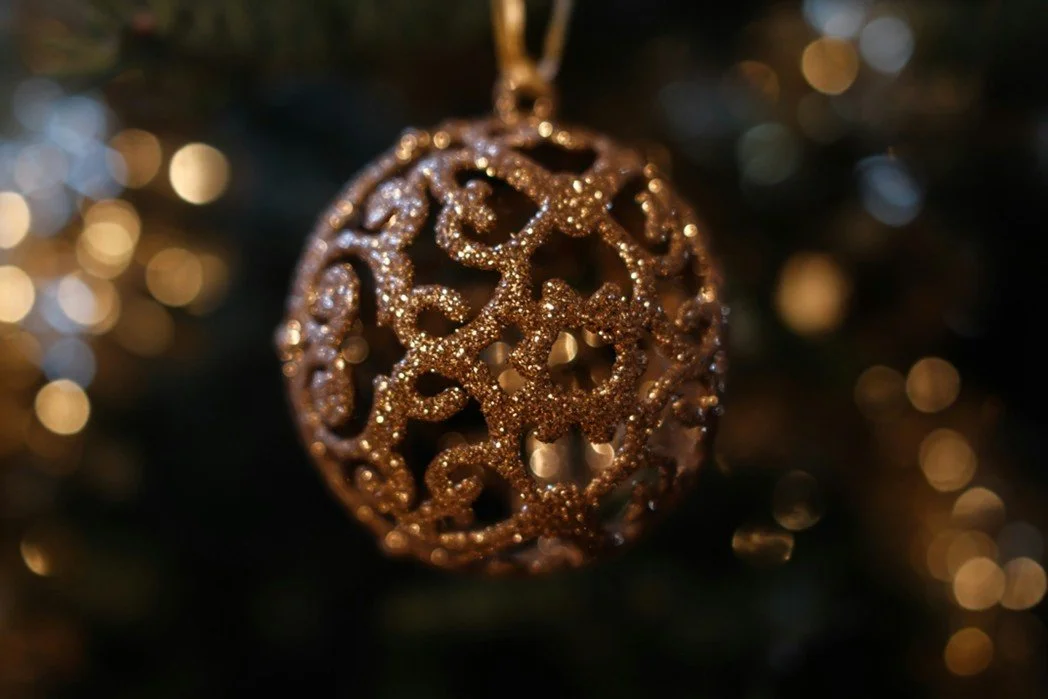
You move into a new house, and the only thing the previous owner left behind is a single, dusty Christmas tree ornament found in the loft. Inside the box is a mysterious note. What does it say, and what story does it unveil?
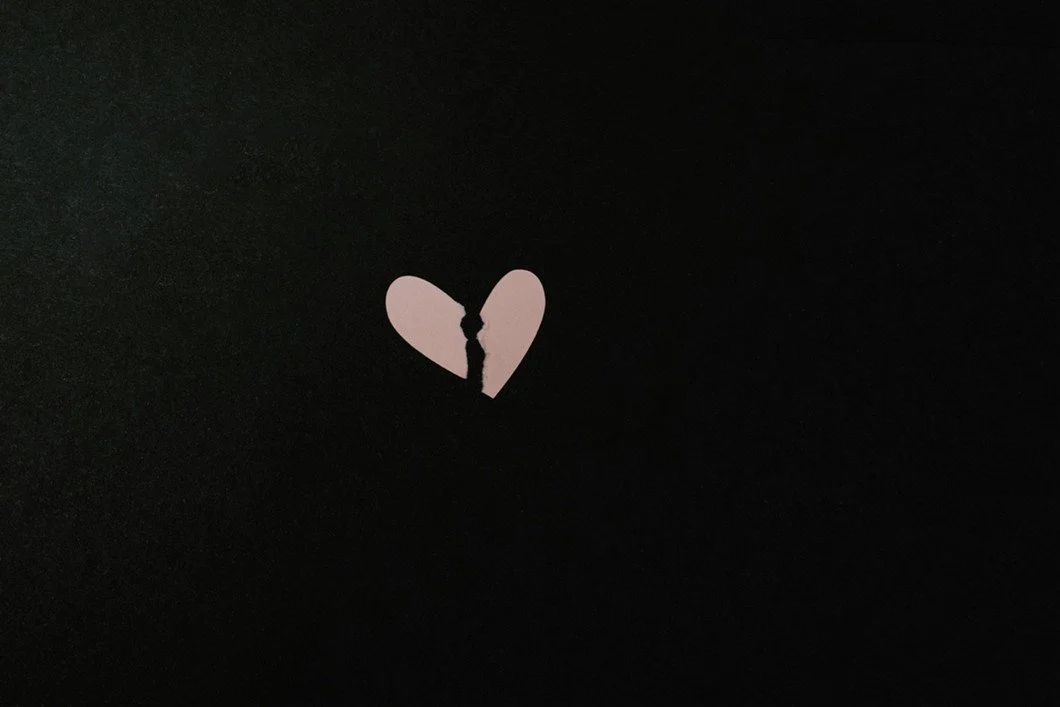
December is a time of happiness, light, and love, but your character feels like they’ve been betrayed by all the people around them.
Legend has it that the first snowfall blesses one person each year with a wish, or so the town folklore claims. This year, your protagonist receives theirs, but with it comes a chilling demand: Find the one who took my life. And the killer is still close…
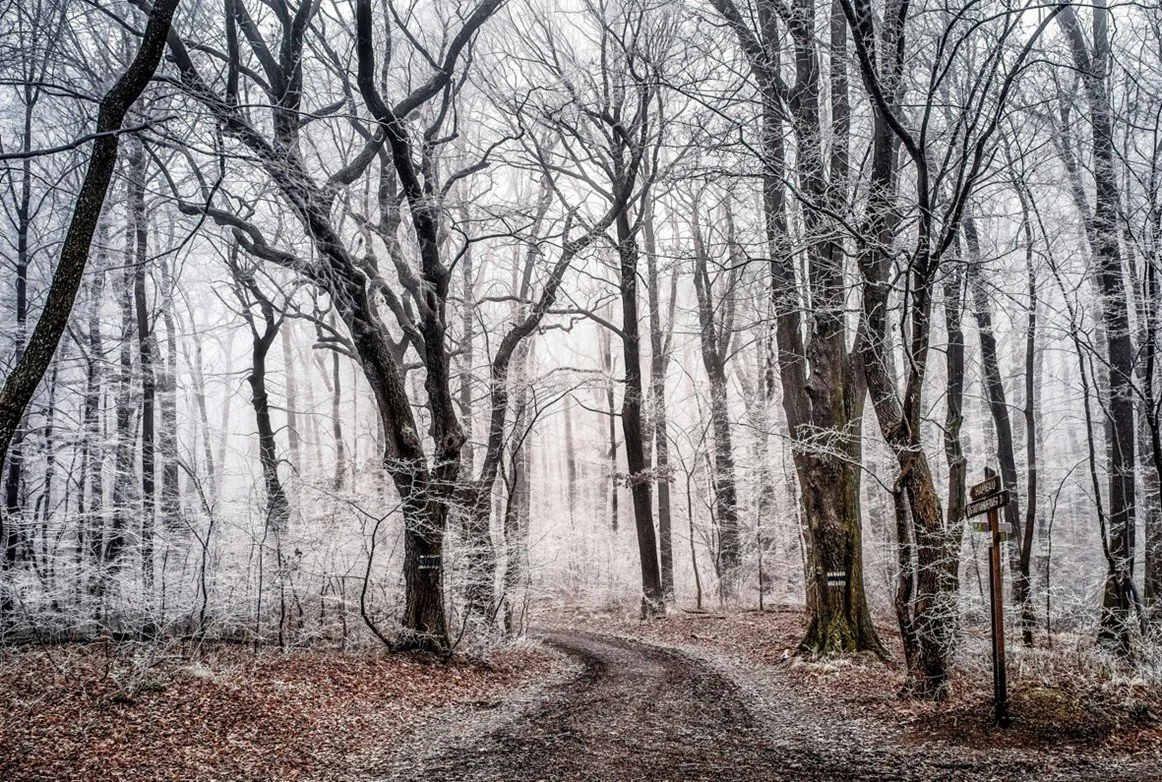
On her final walk of the year, a woman discovers the path has been changed, and…
Craft Talk
The Writing Rabbit Hole
By Bobbi Lerman
For this ongoing series, my intention is to explore strategies for balancing the hunt for rich detail with the focus needed to complete a polished manuscript. By examining ways to manage both time and attention, I aim to highlight the best reasons for venturing down the writing rabbit hole, ensuring the research we choose truly enriches our stories without derailing our progress. I hope you will join me as I attempt to navigate the delicate dance between inspiration and productivity, turning my explorations into a valuable asset for all of our writing journeys.
Falling down the proverbial writing rabbit hole often begins with a simple, innocent thought: I just need to do a quick bit of research to make this authentic. I sit down, convinced I’ll find the answer in minutes and then dive right back into the chapter I swore I’d finish before the days end. But before long, I’m tumbling through layers of information, each one more fascinating than the last.
At first, it feels productive, like I’m gathering exactly what my story needs. I begin with a specific query: What underclothes did women wear in 14th century Scotland? How accurate were those dueling pistols in Regency England? One search leads to another, and suddenly I’m immersed in the daily lives of 19th century Londoners. I can almost hear the clatter of horse-drawn carriages and smell the coal smoke thick in the air. Each new discovery feels like treasure, enriching my story with texture and authenticity.
But then the rabbit hole widens. An article on Victorian drapery links to a discussion on the socioeconomic implications of textile manufacturing which leads to a biography of a little-known industrialist. Before I know it, I’m reading about the evolution of trade unions. Hours pass unnoticed, and the original intent of my research is buried beneath layers of marginally related knowledge.
It doesn’t matter though, at least not in the moment. The journey is as exhilarating as it is bewildering. Each click and scroll pulls me further from my writing, yet it’s easy to rationalize: This could inform my protagonist’s backstory, or add depth to a subplot, or simply give me a richer sense of the world I’m creating.
Then comes the reckoning. As the day slips away, I realize little of this newfound information will actually make it into my work. The writing itself remains untouched, the word count unmoved. I emerge with a head full of trivia and a lingering sense of disorientation wondering where the time went.
Don’t worry, it’s not all for nothing. Despite the occasional frustration, these rabbit holes can be a vital part of the writing process. They remind us of the vastness of the worlds we’re trying to capture, whether present-day or long ago and far away. They reveal connections between ideas we might never had seen otherwise. And they fuel curiosity, expand horizons, and sometimes gift us with unexpected gems—even if upon occasion lead the best of us astray.
The key is balance. We need to know when to pull back, refocus, and get words on the page. But embracing the occasion plunge down the rabbit hole can bring surprising inspiration and deeper understanding, and yes, it can also be plain damn fun. The trick is remembering to carry rope, so you can pull yourself out.
As this series unfolds, I’ll be inviting you to share your own Rabbit Hole tales, how you fell in, how your climbed out, and how you learned to avoid chasing that elusive white rabbit too far into the netherworld.
Stay tuned for more to come.
Happy writing!
Bio: Bobbi Lerman is the founder of Scribbler’s Ink, a vibrant online writing community dedicated to inspiring creativity through author interviews, writing tips, daily prompts and immersive workshops. A versatile writer, Bobbi crafts evocative travel and personal essays, and historical romance. Her works has appeared in numerous magazines and anthologies. You can follow her on Facebook at: https://www.facebook.com/groups/351022088275863 Instagram at: @scribblersink6 and http://www.scribblersink.com/